



Common Furniture Beetle
By far the most widespread, leaving small round exit holes in floorboards, joists and furniture.

Specialist woodworm treatment starts by confirming whether the infestation is active. We identify the beetle, treat affected timbers and protect your home, all backed by a 10-year insured guarantee.
Woodworm is the larvae of wood-boring beetles that tunnel through structural and decorative timber, weakening floorboards, joists and roof timbers. The usual signs are small round exit holes and a fine powdery dust called frass.
Not every infestation is still active, so it pays to check before treating. Our CSRT-qualified, Property Care Association (PCA) registered team carries out a free survey, confirms whether the woodworm is live and treats only what is needed. Call 01933 825246 for honest, local advice.
By far the most widespread, leaving small round exit holes in floorboards, joists and furniture.
Attacks older hardwoods such as oak, so it is most common in period and historic properties.
Old holes do not always mean a live problem. We check for fresh frass and tunnelling before recommending treatment.
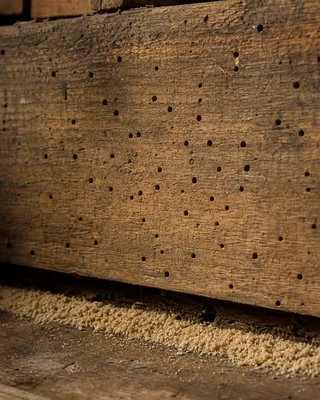
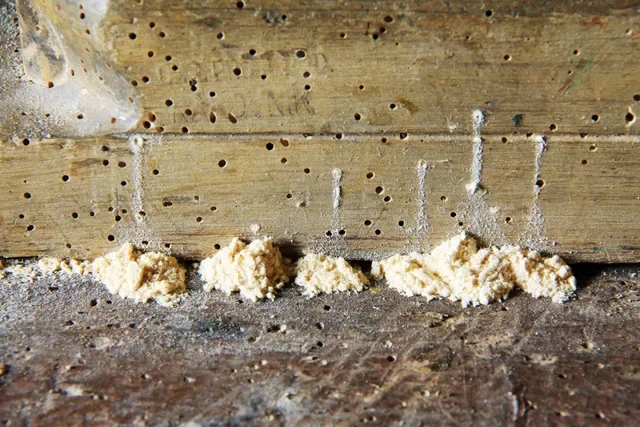
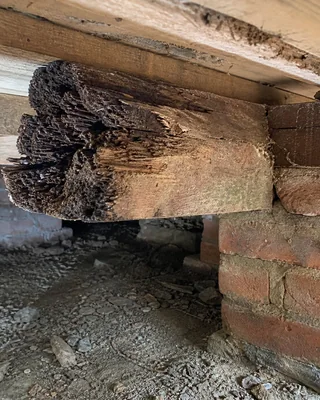
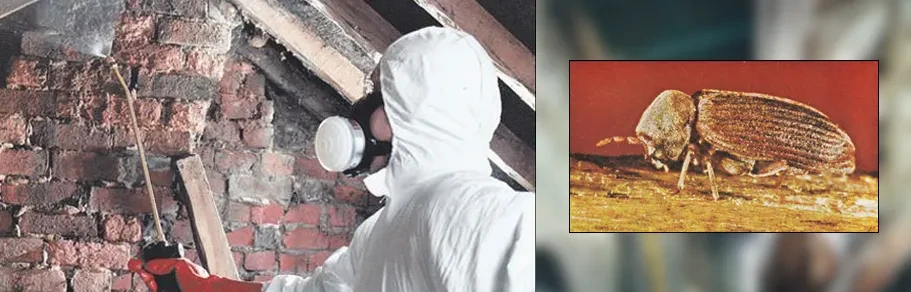
We confirm the species and whether the infestation is active, and check for any damp that is feeding it.
Affected floor, joist and roof timbers are treated with a professional insecticide to eradicate the larvae.
Completed work comes with full documentation and a 10-year insured guarantee.
We inspect the affected areas and discuss what you have noticed.
We identify the cause and explain the findings clearly.
Our team completes only the remedial work your property needs.
You receive the relevant documentation and long-term guarantee.
Local, honest advice, starting with a free survey.
Woodworm is the larvae of wood-boring beetles that bore through timber as they feed. The most common in UK homes is the common furniture beetle. Tell-tale signs are small round exit holes and fine powdery frass.
Active infestations usually show fresh, clean exit holes and a sprinkling of frass beneath the timber. Our surveyors confirm whether it is live before any treatment, so you do not pay to treat old, inactive damage.
We treat the affected floor, joist and roof timbers with a professional insecticide, and resolve any damp that is helping the infestation. The work is backed by a 10-year insured guarantee.
It depends on the extent of the infestation and how accessible the timbers are. We provide a free survey and a clear written quotation so you know the cost before any work begins.
Left untreated, woodworm can weaken structural timbers such as joists and roof members over time. Early treatment prevents costly repairs, which is why a survey is worthwhile if you suspect it.
Trevor has just recently completed a damp and woodworm survey on my home (as part of a home buy/selling process). Trevor came around within a few days following my request for an assessment and was highly knowledgeable and professional. He then produced a report which was informative and helpful. Would recommend.

Very impressed with the service. The inspection was thorough and the advice was detailed and useful.
I brought a new house and discovered I had wood worm and needed damp proofing to be done. I called 3 companies and was quoted £1500, then called Meadow Wood Preservation and Trevor came around and quoted a really competitive price that I decided to go with him. He came to following week and did the work one afternoon. They did a fantastic job, and I’ve already recommended him to a friend who has a damp problem on her house.

We will confirm whether the woodworm is active and recommend the right treatment for your home.